Interpol
Interpol are an American post-punk revival band formed in 1997 in New York City by guitarist Daniel Kessler and drummer Greg Drudy, with bassist Carlos Dengler and vocalist and guitarist Paul Banks joining soon afterward. Drummer Sam Fogarino replaced Drudy in 2000, completing the lineup associated with the band’s breakthrough. Renowned for their dark, elegant, and emotionally restrained sound, Interpol combine post-punk, indie rock, and alternative rock with angular guitars, prominent bass lines, precise drumming, and Banks’ distinctive baritone vocals.
Interpol emerged from the New York independent-music scene of the late 1990s and early 2000s, alongside bands such as The Strokes, Yeah Yeah Yeahs, and TV on the Radio. Their debut album, Turn on the Bright Lights, was released by Matador Records in 2002. Songs such as Obstacle 1, PDA, and NYC created a nocturnal musical landscape defined by isolation, romantic uncertainty, urban tension, and emotional disconnection. The album became one of the defining releases of the post-punk revival and established Interpol’s international reputation.
A defining characteristic of Interpol’s music is the carefully controlled interaction between its instruments. Kessler’s sharp, repeating guitar figures create a sense of tension, while Dengler’s melodic bass lines often function as an additional lead instrument. Fogarino’s disciplined drumming provides momentum without disturbing the music’s austere atmosphere, and Banks delivers fragmented, ambiguous lyrics in a cool but emotionally charged voice. This combination gives Interpol’s songs a balance of distance and intimacy, suggesting emotions that remain powerful precisely because they are rarely expressed directly.
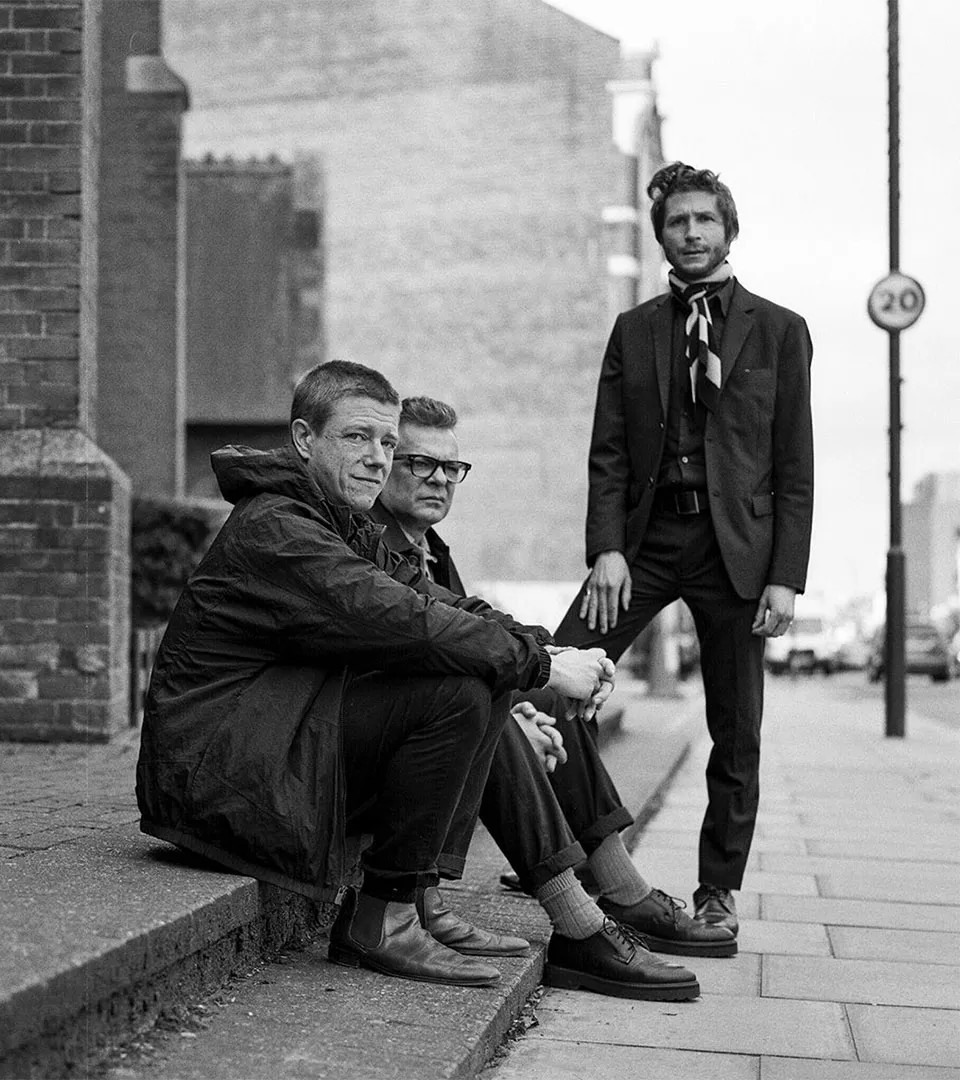
The band’s second album, Antics, followed in 2004, developing a more direct and energetic version of their sound through songs such as Slow Hands, Evil, and C’mere. Our Love to Admire was released in 2007, introducing richer production, keyboards, and more expansive arrangements. Their self-titled fourth album appeared in 2010, shortly before the departure of Carlos Dengler. His exit transformed Interpol into a core trio of Banks, Kessler, and Fogarino, with additional musicians joining them for recordings and live performances.
In 2014, Interpol returned with El Pintor, whose title is an anagram of the band’s name. The album reaffirmed their guitar-driven identity while allowing Banks to assume bass duties in the studio. Marauder followed in 2018, presenting a rougher and more immediate production style, while The Other Side of Make-Believe in 2022 introduced piano, softer textures, and a more reflective emotional tone. Despite these developments, the band retained the rhythmic tension and shadowy atmosphere that had defined their earliest work.
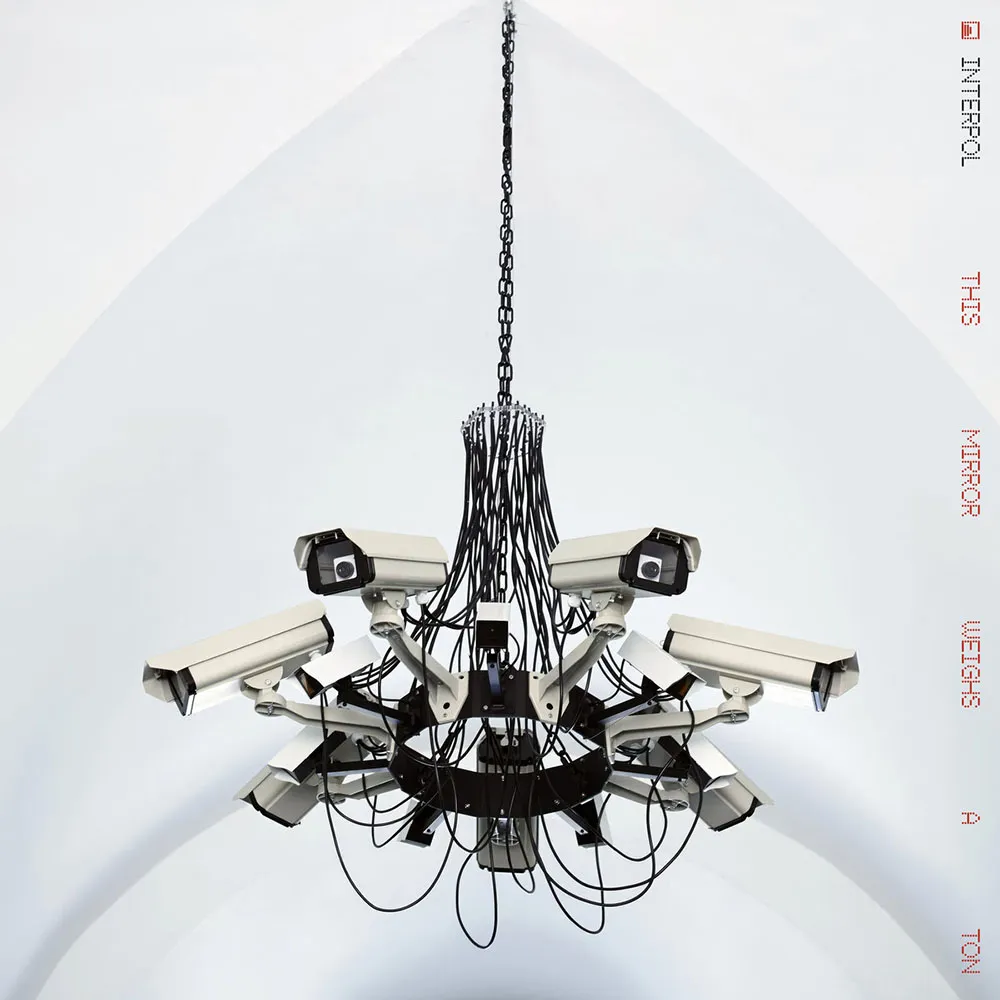
In 2026, Interpol released their eighth studio album, This Mirror Weighs a Ton, produced by Andrew Wyatt and mixed by David Fridmann. Featuring longtime touring musicians Brad Truax and Brandon Curtis as part of an expanded configuration, the record incorporated orchestral textures, synthesizers, and broader arrangements while preserving the group’s unmistakably brooding identity.
Through their combination of disciplined musicianship, mysterious lyrics, minimalist visual style, and nocturnal atmosphere, Interpol have become one of the most distinctive and enduring bands to emerge from the early-2000s New York rock scene. Their music transforms anxiety, desire, loneliness, and urban alienation into carefully constructed songs whose emotional power lies as much in tension and suggestion as in direct expression.