Anchorsong
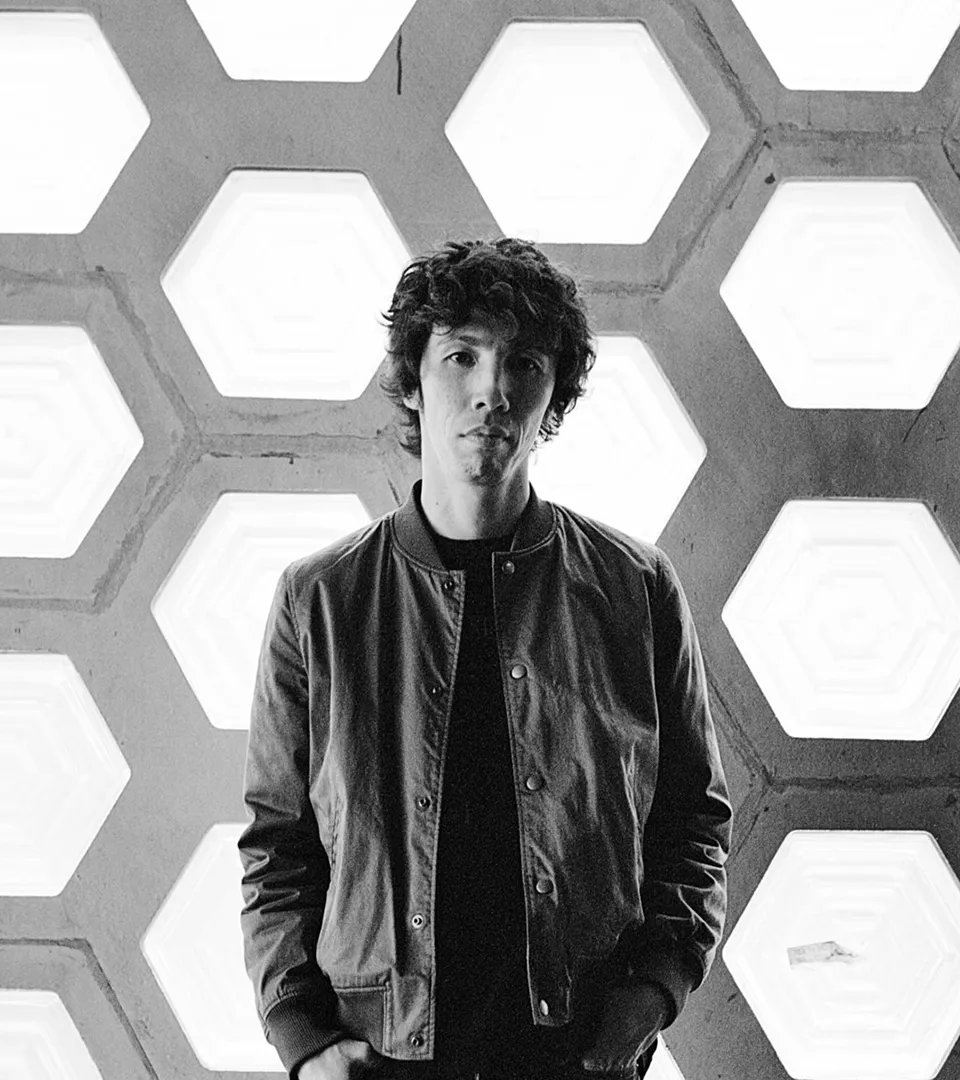
Anchorsong is the electronic music project of Japanese producer and multi-instrumentalist Masaaki Yoshida. Originally from Tokyo and based in London, Yoshida has developed a distinctive approach to electronic composition that combines intricate beat programming, live instrumentation, sampling, and influences drawn from musical traditions around the world. Moving between electronica, hip-hop, ambient music, psychedelia, and global rhythms, Anchorsong creates richly layered instrumental music in which rhythm and melody constantly interact. His work is also inseparable from his live performances, where tracks are constructed in real time using an MPC sampler and keyboard rather than simply reproduced from finished recordings.
After beginning his career in Japan, where he released three EPs accompanied by live DVDs, Yoshida relocated from Tokyo to London in 2007, following a period in New York. His performances quickly became central to the identity of the project. Building compositions layer by layer in front of an audience, he developed a method that has often been compared to watching a painter gradually fill an empty canvas. Although primarily a solo performer, Anchorsong has also expanded this setup through collaborations with string quartets, combining programmed rhythms with acoustic instrumentation. Early appearances at SXSW, sessions for BBC Radio 1, and support from broadcaster Huw Stephens helped introduce his music to an international audience.
His international debut, The Lost & Found EP, appeared in 2011 through his own label, Case Study, shortly before Anchorsong began his long-running relationship with British independent label Tru Thoughts. His debut full-length album, Chapters, followed later that year. Combining rock, hip-hop, electronica, strings, keyboards, guitar, sitar, Rhodes, and even shamisen, the record established many of the techniques that would define his later work. Rather than treating electronic production and live instrumentation as separate elements, Yoshida constructed tracks from overlapping instrumental phrases and rhythmic loops, creating music that could subsequently be rebuilt onstage.
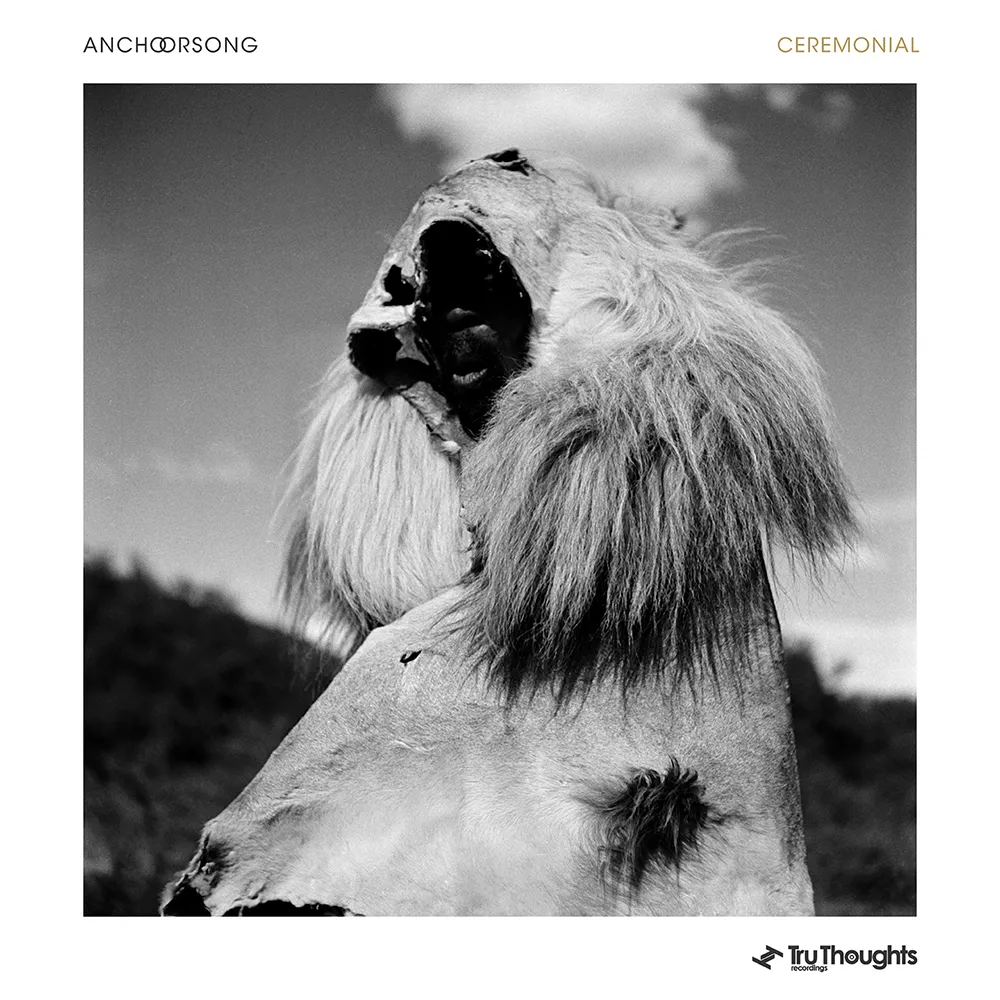
After the Mawa EP for BBE Recordings, Anchorsong considerably expanded his musical vocabulary with his second album, Ceremonial, released in 2016. The record drew heavily on 1970s African music, incorporating percussion-driven structures into Yoshida’s electronic production. Instead of simply reproducing particular traditional styles, he used their rhythmic principles as foundations for new compositions, combining organic percussion, samples, synthesizers, and melodic fragments. The result marked an important shift away from the more overtly electronic language of Chapters toward a broader exploration of rhythm as the central force within his music.
This exploration continued with Cohesion in 2018, an album inspired by traditional Indian percussion and 1970s and 1980s Bollywood film soundtracks. Discovering composers including Sapan Jagmohan, Rajesh Roshan, and Kalyanji-Anandji led Yoshida deeper into the psychedelic, disco, and percussion-heavy worlds of Indian film music. Instruments such as tabla and dholak were combined with bongos, claves, gamelan-like sounds, strings, and electronic production. As its title suggests, Cohesion was conceived around the idea of dissolving the distinction between rhythm and melody: tuned and semi-tuned percussion becomes melodic material, while repeated instrumental phrases simultaneously function as hooks and rhythmic patterns.
With Mirage, released in 2021, Anchorsong moved away from the more clearly defined geographical inspirations of Ceremonial and Cohesion. Written partly during the COVID-19 lockdown, when international travel had largely stopped, the album instead transformed Yoshida’s accumulated musical influences into an imaginary landscape. Wind instruments, choirs, harp, jazz elements, udu drums, field-like samples, and detailed electronic rhythms appear throughout the record, creating a hazier and more atmospheric interpretation of the “borderless music” that had increasingly come to define his work.
The album’s individual tracks reveal the breadth of this approach. Tunis Dream developed from Yoshida’s memories of performing in Tunis, while Saudade drew from Brazilian music of the 1960s and 1970s and Horseback incorporated sounds associated with a galloping Mongolian horse. Remedy combined jazz influences with udu percussion, while The Ocean, featuring Portuguese poetry by Bookend, became the first collaborative vocal track on an Anchorsong album. Rather than presenting these references as isolated genres, Mirage absorbs them into a unified imaginary geography, where musical traditions from different places coexist inside Yoshida’s highly personal rhythmic language.
A deluxe edition of Chapters appeared later in 2021 to mark ten years since the debut album, bringing together previously unreleased material, early recordings, bonus tracks, and remixes. Looking back at the record also highlighted how consistently Anchorsong’s studio compositions have been connected to performance. His tracks are constructed from loops, instrumental fragments, and interlocking patterns that can be assembled and transformed live, making the act of composition visible to the audience rather than hiding it behind a laptop or prerecorded backing track.
Across his career, Anchorsong has performed internationally and appeared at festivals and venues including Glastonbury, Shambala, London’s Roundhouse and Queen Elizabeth Hall, as well as events across Europe, Asia, and the United States. He has also performed for Boiler Room, BBC 6 Music Festival, and Worldwide FM, and has supported artists including Bonobo, Portico Quartet, DJ Krush, Daedelus, and Jaga Jazzist. These performances have reinforced his reputation as an artist for whom the process of making electronic music is as important as the finished recording.
In 2026, Anchorsong returned with new material including the singles 30 degrees and Vinyl on the wall and the Hi, hi not goodbye EP, extending a catalogue that has evolved continuously since his earliest Japanese releases. Across his recordings and live performances, Masaaki Yoshida has developed a musical language built around repetition, transformation, and cultural exchange. African rhythms, Indian percussion, Brazilian music, hip-hop production, ambient textures, strings, and electronic sampling become parts of the same vocabulary, assembled with the precision of a producer but the spontaneity of a live instrumentalist. Anchorsong’s music ultimately treats electronic composition not as a fixed studio object, but as something fluid and constantly evolving, a meeting point between rhythm and melody, acoustic and digital sound, imagined landscapes and musical traditions from across the world.