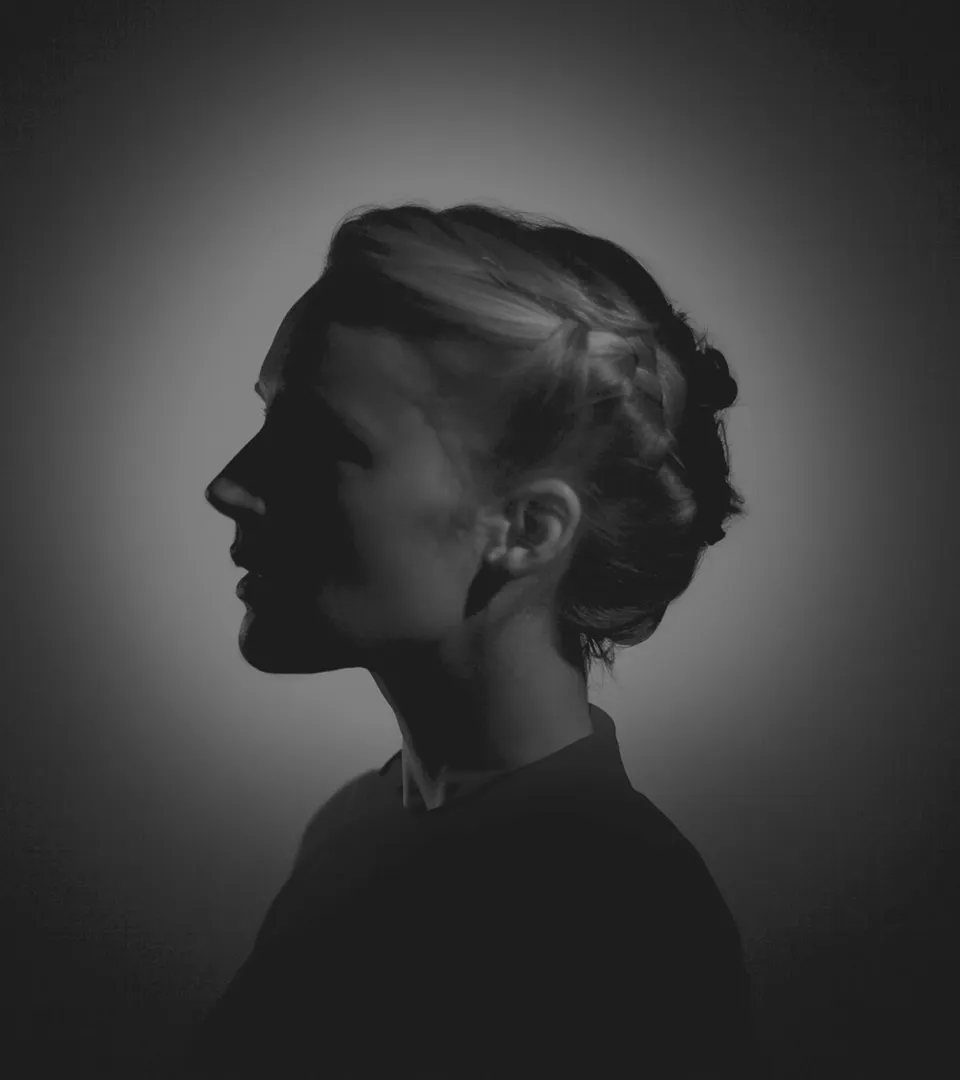
Agnes Obel
Agnes Obel is a Danish singer, songwriter, pianist, composer, and producer born in 1980 in Gentofte, near Copenhagen. Based in Berlin since 2006, she is renowned for her intimate combination of chamber pop, contemporary classical music, folk, and atmospheric electronics. Her music is characterized by delicate piano melodies, carefully arranged strings, layered vocals, and a restrained production style in which silence and space are as important as the instruments themselves.
Obel grew up in a musical household, listening to the classical piano repertoire played by her mother and learning the instrument from an early age. Rather than following a traditional conservatory path, she developed her musical identity independently, drawing inspiration from classical composition, European folk music, jazz, and the melancholic piano interpretations of Swedish musician Jan Johansson. This independent approach later became fundamental to her work: Obel writes, arranges, records, performs, and produces the majority of her music herself in her Berlin studio.
Her debut album, Philharmonics, was released in 2010. Built primarily around piano and voice, the record introduced the simplicity and emotional precision that would become central to her style. Songs such as Riverside, Just So, and Brother Sparrow combine understated melodies with imagery connected to water, nature, memory, and emotional transformation. The album became an international success, reached number one in Denmark and Belgium, and earned Obel five awards at the 2011 Danish Music Awards.
With her second album, Aventine, released in 2013, Obel expanded her arrangements through cello, violin, and carefully recorded vocal harmonies. Pieces such as The Curse, Fuel to Fire, and Dorian preserved the intimacy of her debut while creating a darker and more cinematic atmosphere. The instruments were recorded at close range in a small room, giving the music a physical presence in which the sounds of strings, piano mechanisms, breathing, and movement became part of the compositions.
Obel explored more experimental territory on Citizen of Glass in 2016. Inspired by the German concept of the gläserner Bürger, the glass citizen whose private life has become completely transparent, the album examines identity, privacy, and the psychological consequences of being observed. Its unusual instrumentation includes celesta, spinet, harpsichord, prepared piano, cello, violin, and the early electronic instrument known as the Trautonium. The haunting vocal manipulation of Familiar became one of her most recognizable techniques, while the album received the IMPALA European Independent Album of the Year Award.
In 2018, Obel curated Late Night Tales: Agnes Obel, a collection featuring artists and composers including Nina Simone, Henry Mancini, Can, Alfred Schnittke, and Michelle Gurevich. The selection revealed the wide range of influences behind her own music, connecting experimental composition, cinematic sound, folk traditions, and unconventional pop. That same period marked her move to the classical label Deutsche Grammophon, which released her fourth studio album, Myopia, in 2020.
Created largely in isolation, Myopia explores perception, uncertainty, solitude, and the difficulty of understanding oneself clearly. On songs such as Island of Doom, Broken Sleep, Camera’s Rolling, and Parliament of Owls, Obel manipulated the pitch and texture of voices, piano, and strings until familiar sounds acquired an ambiguous, dreamlike quality. The resulting music feels suspended between chamber composition and electronic sound design, reinforcing her interest in blurred identities and unstable states of consciousness.
On September 18, 2026, Obel released her fifth studio album, The Meaning of Flowers. Written, recorded, arranged, and produced in her Berlin studio, the album emerged after a six-year break and introduced a broader instrumental palette featuring saxophone, flute, viola, harmonium, bass, lap steel, and percussion. Songs including Laymelli, Gemini, and Blood So Red draw inspiration from nature, transformation, motherhood, and the ancient writings attributed to Enheduanna, one of history’s earliest known authors.
Through her meticulous production, poetic ambiguity, and distinctive balance of acoustic and electronic sound, Agnes Obel has established herself as one of the most singular voices in contemporary European music. Her compositions inhabit a private, nocturnal world where piano, strings, silence, and transformed voices become tools for exploring memory, perception, loss, intimacy, and the mysterious inner lives of human beings.